CML Review & Rationalization
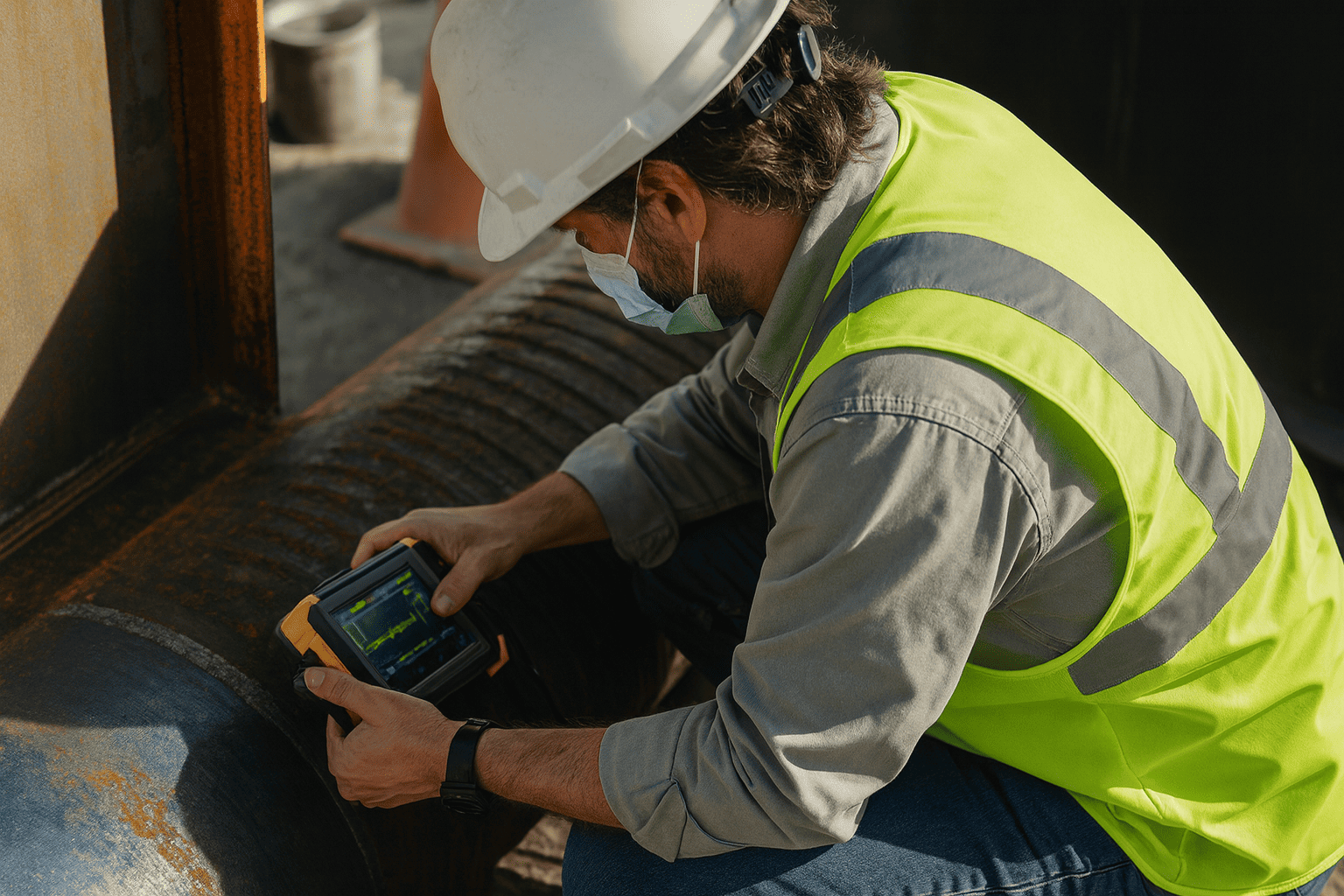
We assess your current CML program to identify:
Redundant or low-value CMLs
Gaps in high-risk areas
Inconsistent CML spacing and placement
Over-inspected and under-inspected circuits
Corrosion Loop & Circuit Optimization
We align CMLs with:
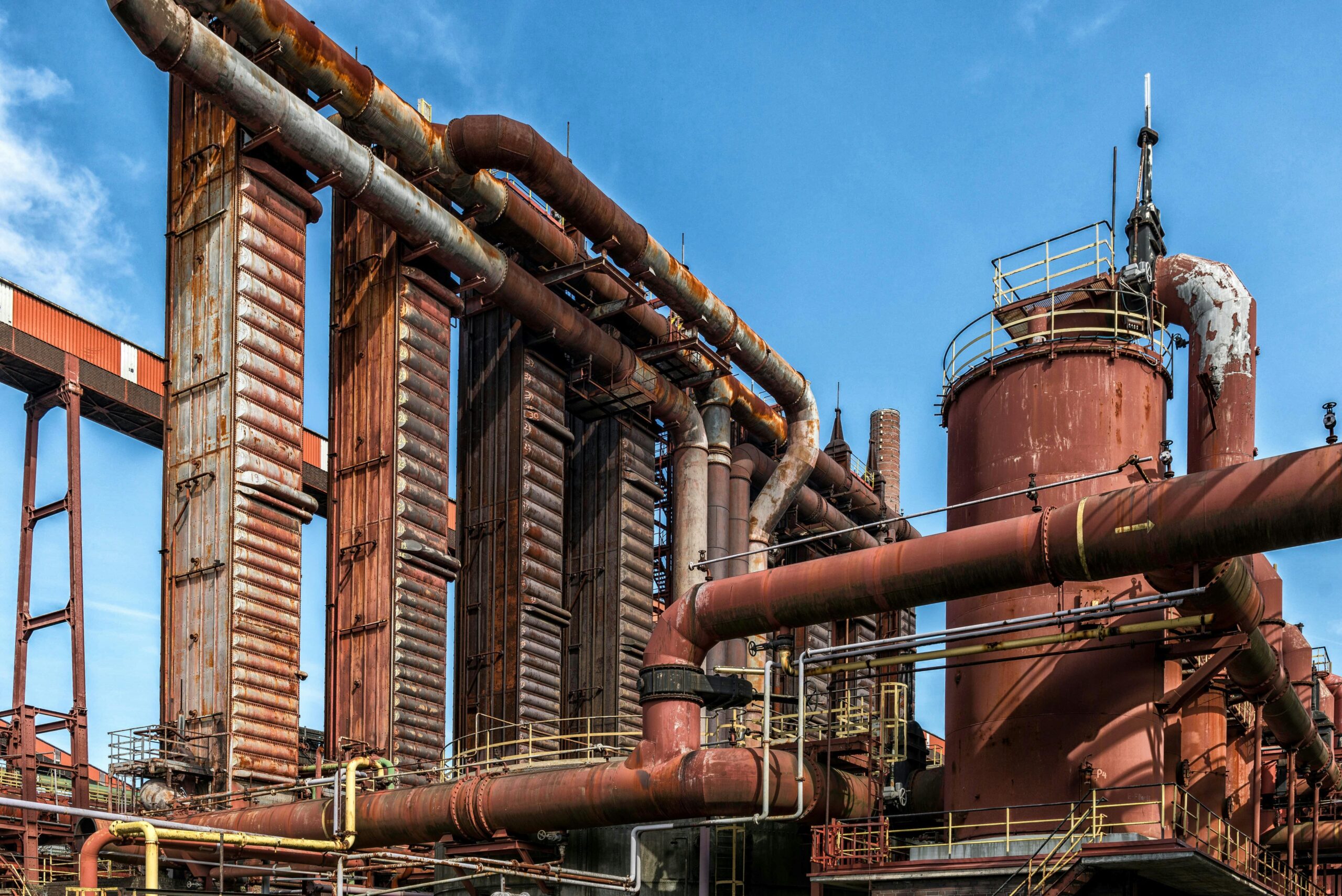
Corrosion loops
Piping circuits
Expected damage mechanisms
Operating conditions (temperature, pressure, fluid)
This ensures CMLs are placed where degradation is most likely to occur.
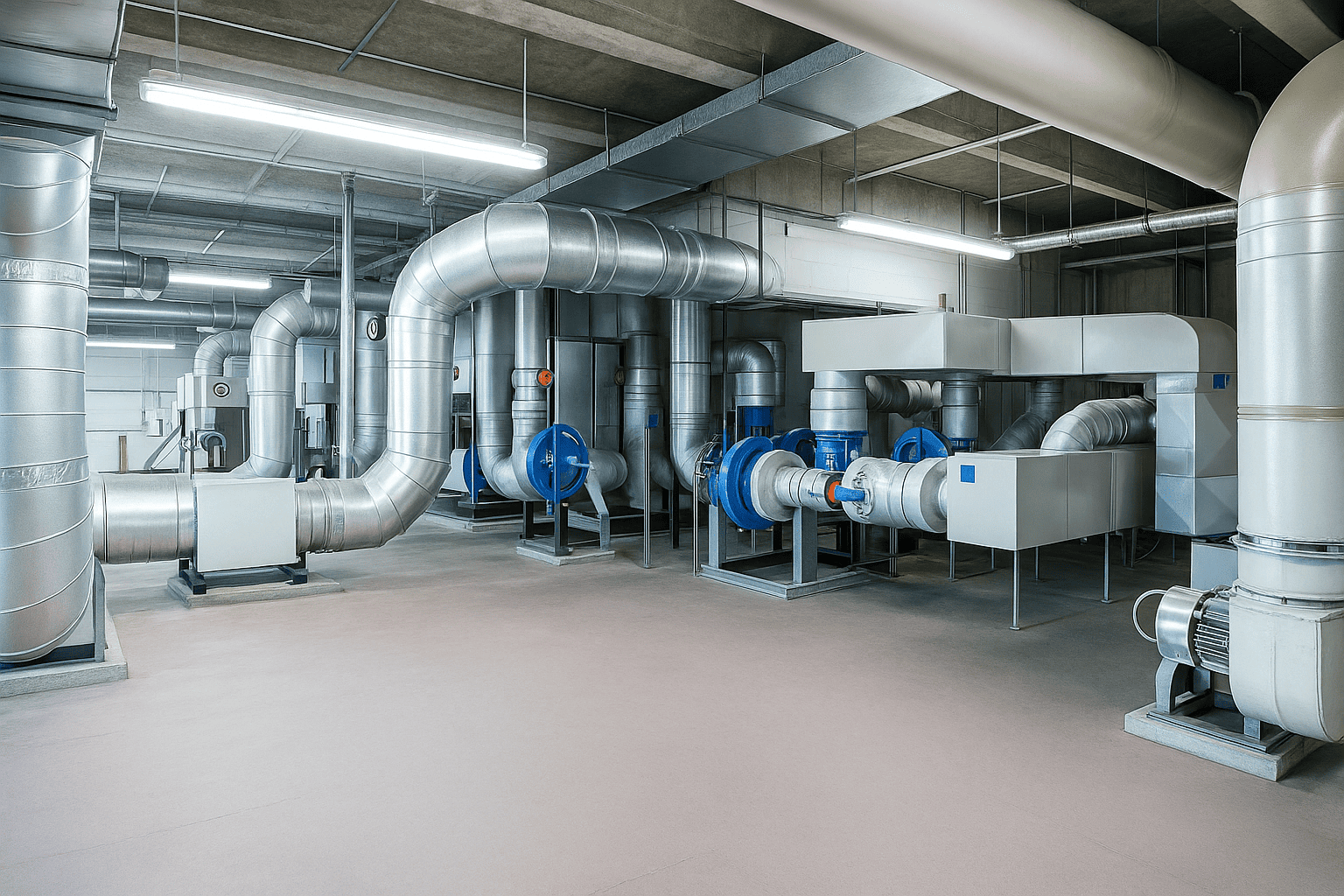
Risk-Based CML Placement
We prioritize CML locations using:
Probability of Failure (PoF)
Consequence of Failure (CoF)
RBI outputs (API 580/581)
Known corrosion “hot spots”
This approach focuses inspection effort on piping that truly drives risk.
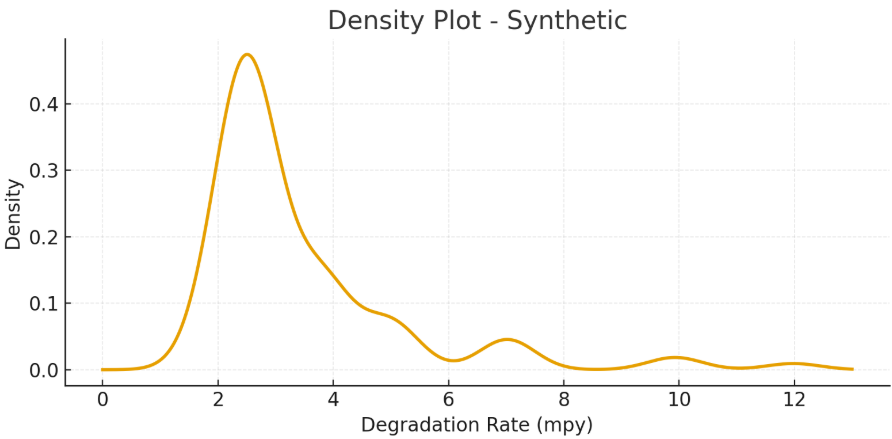
CML Type & Technique Selection
We recommend which techniques best fit each CML:
Manual UT
Automated UT (AUT)
Corrosion mapping
Radiography (RT) in specific locations
Profile RT or PAUT in localized thinning
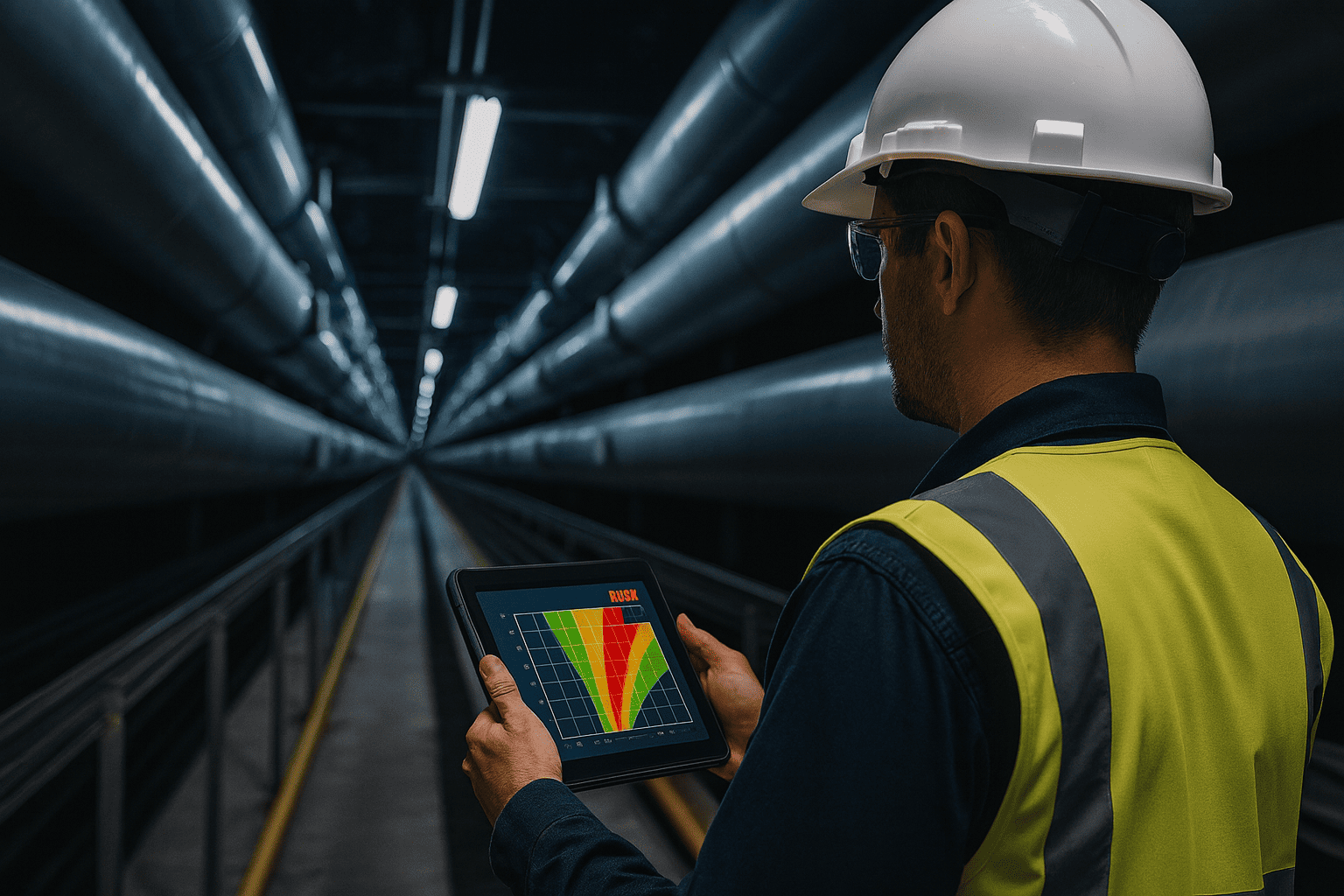
CML Count Optimization
We find the balance between:
Enough data to make safe decisions
Not so many CMLs that the program becomes unmanageable
Result: better coverage with fewer, better-chosen CMLs.

Implementation & Data Management Support
We provide:
Updated CML lists and maps
Recommendations for tagging / labeling
Guidance for integrating with inspection software / CMMS
Input for RBI and inspection planning tools

Step 1 — Data & Program Review
We review:
Existing CML lists
Circuitization and corrosion loops
Past UT data and corrosion trends
RBI outputs (if available)
P&IDs, isometrics, and line lists

Step 2 — Engineering & Risk Evaluation
We evaluate damage mechanisms, operating conditions, and piping design to identify critical locations.
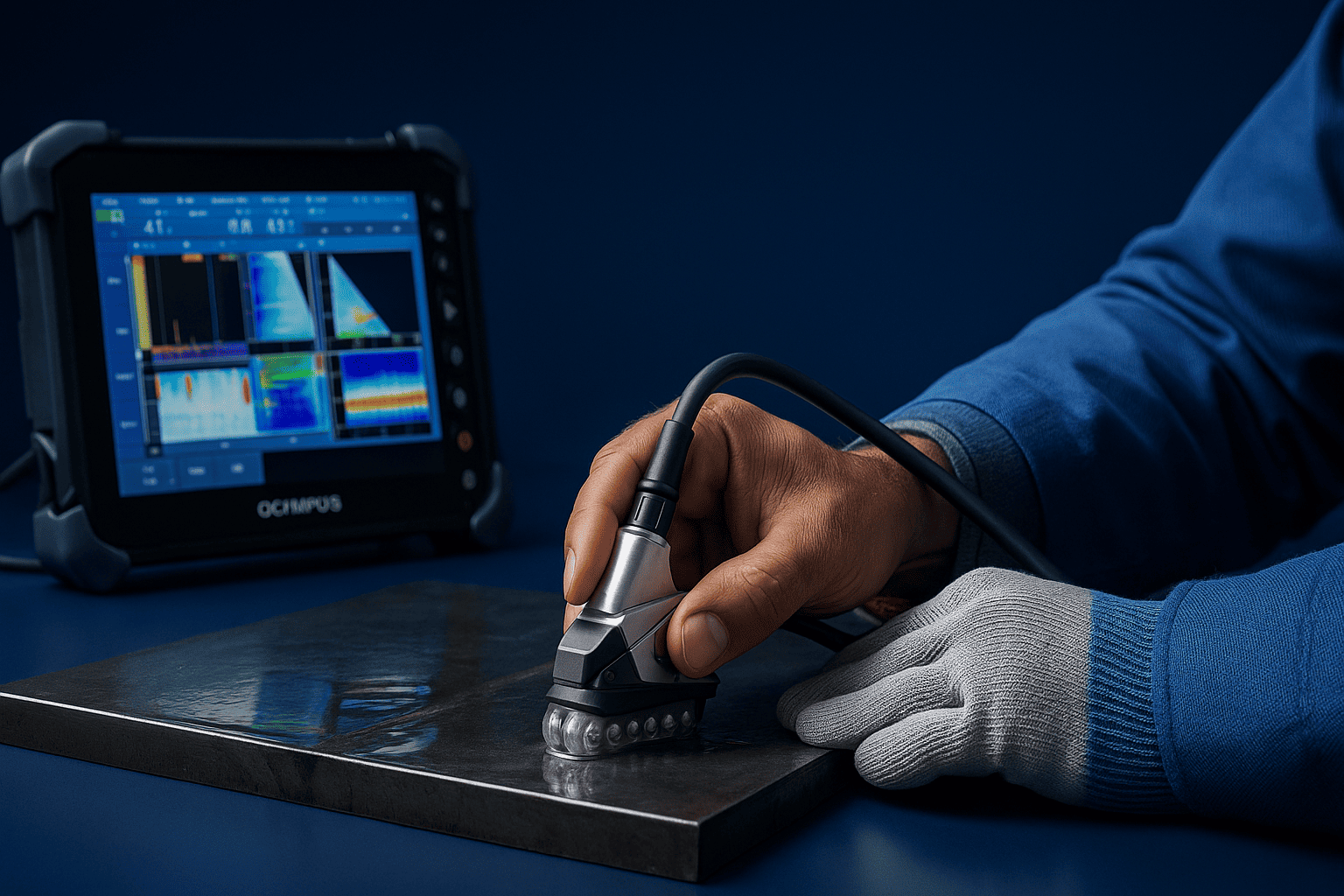
Step 3 — Optimized CML Layout
We propose a revised CML strategy:
Added CMLs where risk is high
Removed or consolidated CMLs where value is low
Adjusted spacing and distribution along circuits
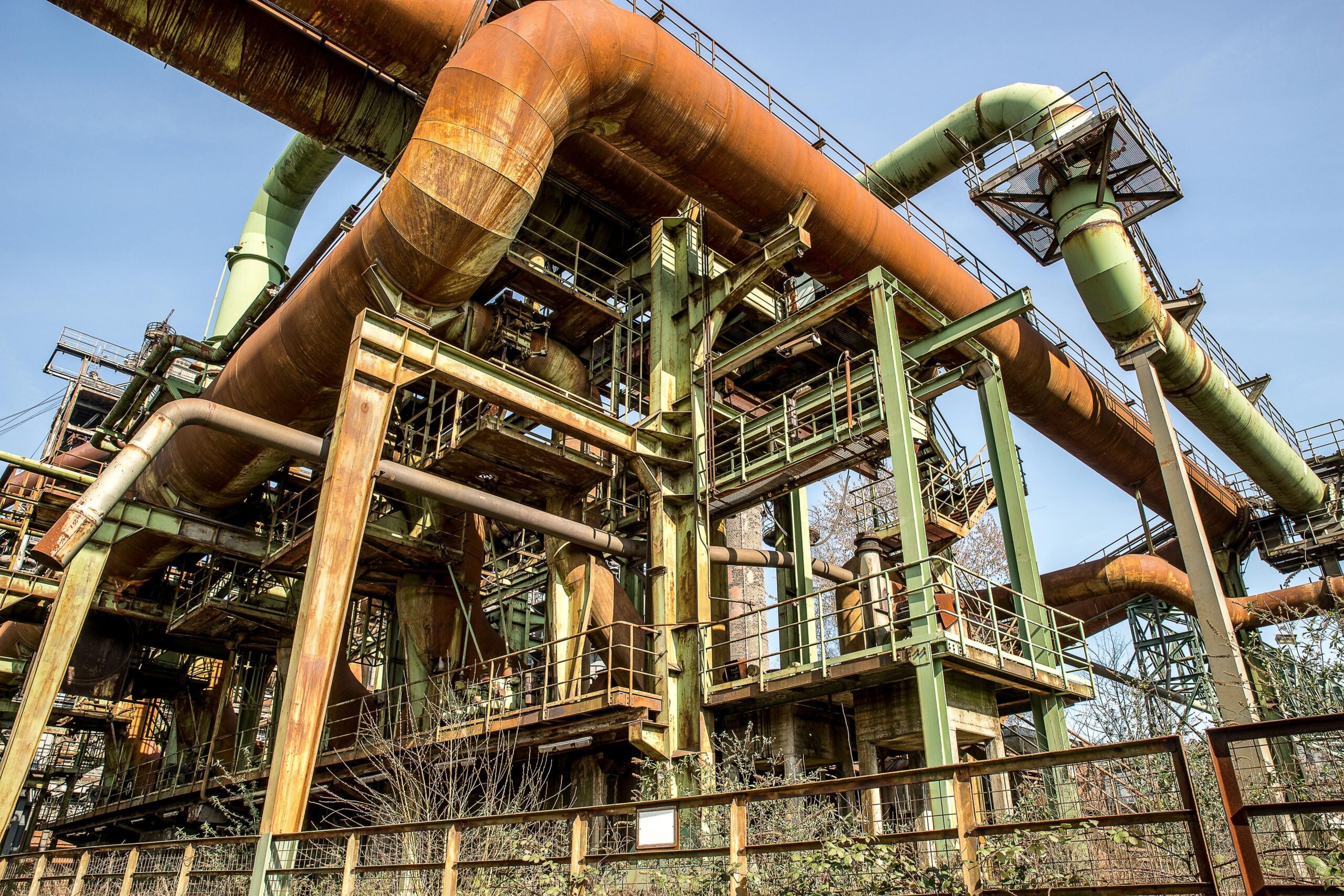
Step 4 — Implementation Support
We deliver updated CML tables, maps, and guidance for integrating the new program into your inspection management system.

Step 5 — Continuous Improvement
We can support periodic reviews as new inspection or operating data becomes available.